


Is Metal Roofing Suitable for Solar Panels?
Is Metal Roofing Suitable for Solar Panels? (Colorbond, Corrugated & Galvanised)
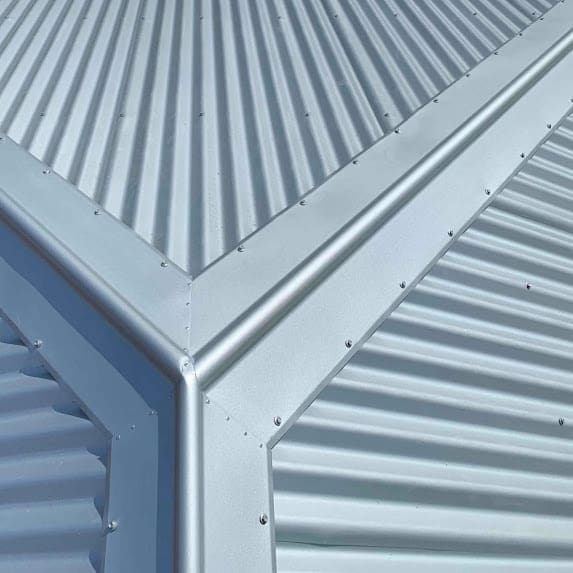
Short answer: Yes. Metal roofs, especially Colorbond, are one of the best roof types for solar panels. They’re strong, long-lasting and easy to fix brackets to. Corrugated and Trimdek roofs are fixed through the top of the sheet’s ribs into the roof frame, while Klip-Lok roofs can use clamps with no holes at all. Older galvanised roofs need checking first, as rust and age can make them a poor base for 25 years of solar.
Thinking about installing solar panels? You’re not alone. In Australia, solar panel installations are projected to grow by 14% from 2024 to 2029. As of September 2024, almost 28% of homes in Victoria already had solar systems installed.
So, how can you jump on this growing trend that benefits both your wallet and the environment?
The first step is determining whether your metal roof is compatible with solar panels. While solar panels can be installed on most types of metal roofs, some take a lot more work and upkeep than others. The type of roof you have matters more than you think.
Can You Put Solar Panels on a Metal Roof?
Yes, solar panels can be installed on a variety of metal roofs, including those made from steel, aluminum, copper, and zinc (although copper and zinc tend to be much more expensive). A metal roof is an ideal partner for solar panel installation due to its:
- Durability
- Lightweight material that can support the added weight of the solar panels
- Energy efficiency, as metal roofing reflects sunlight and reduces heat absorption
- Long lifespan
However, some types of metal roofs are more compatible than others, so it’s important to assess your specific roof type.
|
Roof type |
Suitable for solar? |
How panels are fixed |
|---|---|---|
|
Colorbond or Zincalume corrugated |
Yes |
Brackets screwed through the crest into battens or purlins |
|
Colorbond Trimdek (trapezoidal rib) |
Yes |
Brackets screwed through the rib into battens or purlins |
|
Colorbond Klip-Lok (concealed fix) |
Yes, ideal |
Clamps on the ribs, no holes in the roof |
|
Old galvanised iron |
Check first |
As for corrugated, but only if the roof has plenty of life left |
Is my galvanised metal roof suitable for solar panel installation?
Galvanised metal roofing, or zinc-coated steel, is a type of steel roofing that has been used in Australia since the 1850s. Solar panels can be installed in this type of roof by using the existing roofing screws. Installers drill matching holes in the racking, remove the roofing screw, and replace it through the panel mounting rack.
However, just because it’s possible doesn’t mean it’s the most suitable option. Galvanised roofs may lack the compatibility required for optimal solar panel installation, making an upgrade worth considering.
The bigger question is age. Solar panels are designed to stay on your roof for 25 years or more. Many galvanised roofs in Melbourne are already decades old, and if the roof needs replacing in five or ten years, the panels will have to be removed and reinstalled at your cost. That’s why we recommend a roof inspection before you sign a solar contract.
What are the risks of galvanised roofs with solar panels?
One of the main issues with installing solar panels on a galvanised roof is the potential for galvanic corrosion. This is a common problem in the building industry that occurs when different types of metal come in contact with each other in the presence of an electrolyte such as water.
The result? The corrosion of the metal roof, gradually reducing its strength and thickness.
How exactly does corrosion occur?
Solar panels are typically housed in metal cases made from aluminium. When these aluminium panels are placed on top of the galvanised roofing, a corrosive setting occurs that is activated when it rains.
Rainfall, or even condensation runoff, facilitates the flow of electrons from one dissimilar metal to the other. Corrosion can happen quickly and before long, your galvanised roof will show signs of rust along the path of the waterflow. Over time, this can lead to a number of issues:
- Structural issues that make the roof less capable of supporting the weight of the solar panels
- Roof damage that requires extensive repairs or replacement
- A reduction in the effectiveness of the solar panels as a result of the mounting frames being altered
Another common cause of rust after a solar install is swarf: the tiny metal filings left behind when installers drill or cut on the roof. If they aren’t swept off straight away, they rust within days and leave orange stains that can eat into the roof sheet. Ask your installer to clean the roof before they leave.
Help! I have a galvanised roof and want solar panels.
Good news. It’s not the end of the world if you have a galvanised roof and want to install solar panels. Ideally, we would recommend replacing your roof, but if that’s not in your budget or wheelhouse right now, there are other solutions.
Make sure that the mounting systems for the solar panels are made from materials that work well with the galvanised metal, such as stainless steel or coated metal. This will help reduce the chance of galvanic corrosion occurring. Some homeowners also consider roof coatings, but get a roof plumber to inspect the roof first, as a coating won’t fix rust that has already gone through the sheet.
Remember, these may only be temporary solutions, and you may find yourself having to call a roof plumber to replace or repair rusted metal roof sheets down the road if the products wear off or have a negative interaction.
How can a roof plumber help fix my roof sheeting?
If you’ve found yourself dealing with a leaky roof after you installed solar panels on a galvanised roof, a roof plumber can help. A qualified roof plumber can identify the problem and determine the best solution for managing rainwater. This could include renovating, installing, and fixing roof flashings, gutters, and downpipes to address water damage or flooding.
What Type of Roof Metal Works Best with Solar Panels?
In 1966, production of Colorbond steel steel began in Australia, marking a significant moment in the roofing industry. Made from high-quality steel featuring a Zincalume core, Colorbond steel is protected by a coating of zinc and aluminium to prevent corrosion. By 2022, Colorbond made up 49% of roofing materials in the country–and for good reason. It’s an Australian-made, solar-friendly alternative to galvanised roofing, and an ideal choice for homeowners looking to install solar panels.
What are the Benefits of Colorbond steel roofing?
Colorbond metal is not only energy efficient and durable, but it has also been tested and designed specifically to withstand extremes of the Australian climate. With five layers of protection, Colorbond provides resistance to corrosion, chipping, and peeling, ensuring long-lasting performance and high-quality aesthetics over time.
Another major advantage? A Colorbond metal roof’s lifespan means you won’t have to face the expense or hassle of a midlife roof replacement, saving you money and headaches in the long run.
How does Colorbond work with solar panels?
Colorbond is an excellent material choice for solar panel installations, due to its strong resistance to galvanic corrosion. This is thanks to its aluminium content and non-reactive paint layer, which protects the underlying Zincalume coating. Its corrosion-resistant properties ensure that even if drilling is required during solar installation on certain roof types, the risk of rust is minimal–an added assurance that your roof will remain watertight.
In addition to being resistant to corrosion, Colorbond is ideal for solar panels because of its:
- High weight-bearing capacity that enables it to properly support solar panels
- Interlocking construction that makes solar panels easy to install
- Low maintenance and less repairs
- Thermal efficiency which can maximise the effectiveness of the solar panels
How long does Colorbond last?
A Colorbond roof can easily last for 30 years with careful maintenance. However, since metal roofs can last 40-70 years, there’s a potential for it to last much longer. In addition, your Colorbond roof comes with a warranty from BlueScope Steel that lasts up to 30 years.
That lifespan is the key reason Colorbond suits solar. Most solar panels come with a 25-year performance warranty, so a new or near-new Colorbond roof should outlast them, and you won’t need to pay to remove and refit the panels to replace the roof.
How are Solar Panels Installed on a Metal Roof?
So, what is the correct way to install solar panels onto a metal roof? The process varies depending on the type of metal roofing you have and any finishes that may impact the final installation.
Standing seam and Klip-Lok metal roofing
Standing seam metal roofs feature long, vertical panels that run from the roof ridge down to the eaves, and are interlocked by raised seams. In Australia, the most common version is a concealed-fix profile like Lysaght Klip-Lok, which clips onto hidden brackets instead of being screwed through the sheet. If you have a standing seam metal roof, you’re in luck. It’s not only the most suitable type of metal roof for solar panels, but also one of the most compatible roofing options overall.
Your installer can easily attach the mounting system directly to the roof’s vertical seams without drilling any holes. This method reduces both installation time and cost while maintaining the roof’s integrity by avoiding penetrations.
Insider’s tip: Consult with a roofing expert to determine which roof profiles are best for safety anchors. The crew will need to install these anchors to work safely, and certain standing seam roofs may not qualify.
Corrugated and Trimdek roof sheeting
If you have corrugated roof sheeting or a ribbed profile like Trimdek, solar panels are installed using mounting brackets (often called tin interface brackets or L-feet). These brackets are screwed through the crest (the top of the corrugation or rib) into the battens or purlins below, never through the pan where water runs. Each screw has a sealing washer to keep the roof watertight.
Screws should go in square to the sheet and be tightened so the washer seals without being crushed. Screws that are angled, overtightened or that miss the batten are the most common cause of leaks we find after solar installations.
Is there anything else that may impact solar installation?
In addition to your roof’s material and specific type, there are a number of other factors that may impact solar installation. These include:
- Roof orientation: The direction your roof faces, which affects the amount of sunlight your panels are able to capture.
- Roof pitch: The angle or slope of the roof can impact the efficiency of the solar panels. It can also impact installation, as steeper roof angles may make it risky for installers to work with standard tracking systems.
- Shading: The presence of trees or other obstructions may block sunlight and reduce the effectiveness of your solar panels.
Solar Panels on Metal Roofs: FAQs
Can you put solar panels on a Colorbond roof?
Yes. Colorbond is one of the best roof types for solar. On corrugated and Trimdek profiles, brackets are screwed through the crest into the roof frame. On concealed-fix profiles like Klip-Lok, clamps attach to the ribs without drilling any holes.
Do solar panels on a metal roof cause leaks?
Not if they’re installed correctly. Leaks usually come from screws fixed through the pan instead of the crest, screws that miss the batten, or overtightened washers. Low-pitched roofs are more prone to leaks. A roof inspection before and after the install will pick up most problems.
Can you put solar panels on a galvanised or tin roof?
Yes, but check its condition first. Many galvanised roofs in Melbourne are decades old, and if the roof needs replacing within the life of the panels, you’ll pay to remove and refit them. Rusted sheets should be replaced before solar goes on.
Do solar panels on a metal roof need holes?
On corrugated and Trimdek roofs, yes: brackets are screwed through the top of the ribs into the battens or purlins, with sealing washers. On Klip-Lok and other concealed-fix roofs, clamps grip the ribs, so no holes are needed.
Should I replace my roof before installing solar?
If your roof has less than about 10 years of life left, or has rust, worn screws or failed flashings, it’s usually cheaper to replace or repair it first. Once panels are on, any roof work underneath them means paying to remove and reinstall the system.
Can solar panels go on an insulated Colorbond roof?
Yes. Most insulated Colorbond roofs have an insulation blanket under the sheets, and brackets fix through the sheet and blanket into the battens or purlins as normal. Insulated sandwich panels need brackets designed for that system, so check with the panel manufacturer.
Who fixes the roof if the solar installer damages it?
Start with your solar installer, as their workmanship warranty should cover leaks and damage they cause. If the work needs fixing quickly, a licensed roof plumber can repair the roof and give you a report for your claim.
Date
Oct 10, 2026
Read Time
11 minutes
Services
Roof Problems