

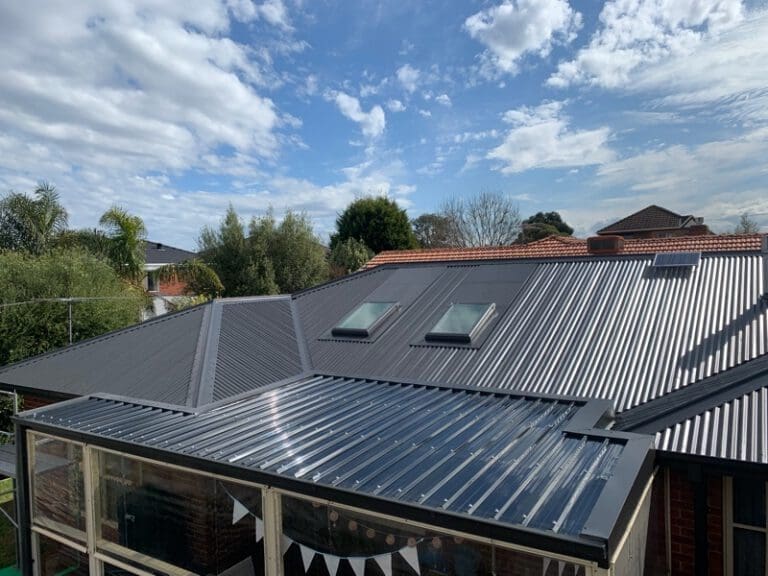
Polycarbonate Options for Pergolas
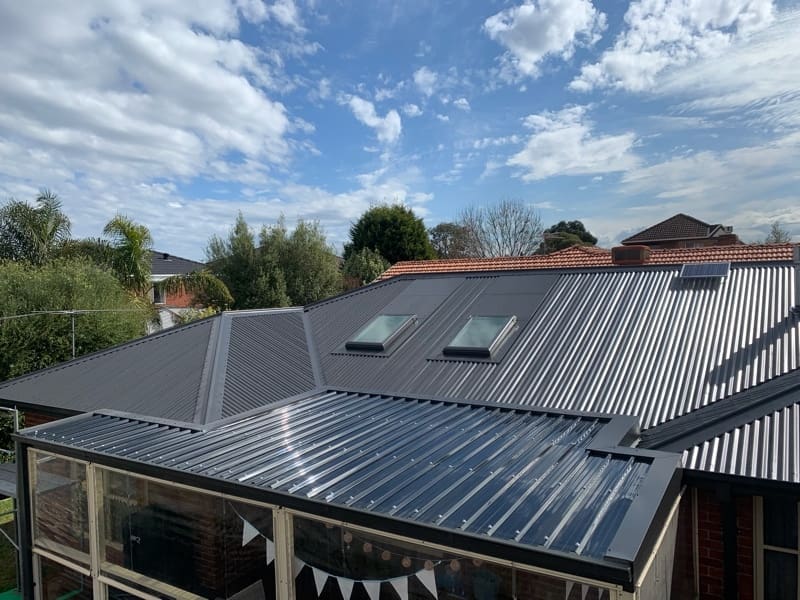
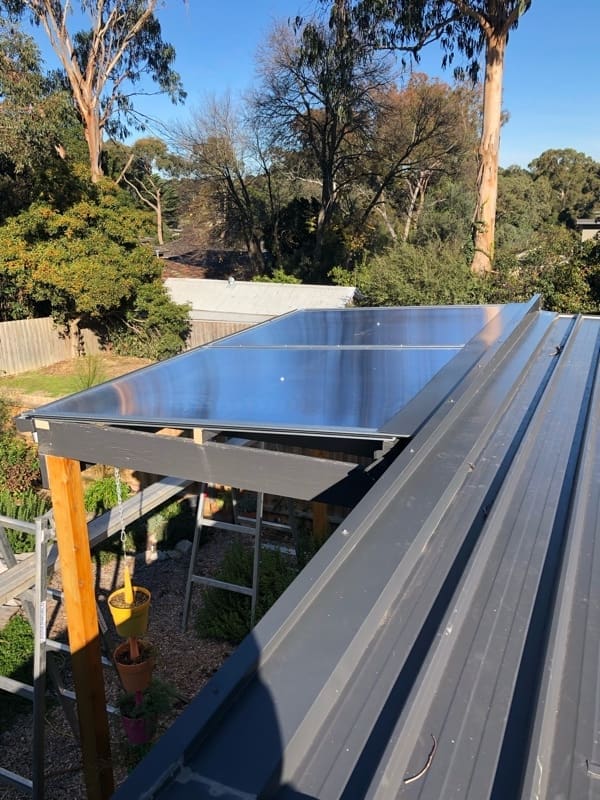
Whether you’re covering a new pergola or replacing tired fibreglass sheeting that’s seen better days, polycarbonate is one of the smartest materials you can choose. It’s lightweight, durable, and stays looking good for years.
Before you decide on a product, it’s worth thinking about how you use the space, how much sun it gets, and what your roof pitch is. These factors will narrow your options quickly and help you avoid paying for performance you don’t need, or skimping on a product that won’t hold up.
There are many options available if you are thinking about covering or replacing your pergola with polycarbonate. Gone are the days when only one choice existed, the heavy fibreglass option that went milky over time. Today the choices available are aimed at different budgets and offer a variety of finishes with varying degrees of UV protection and solar heat gain.
Laserlite
Let’s start with the budget friendly option of a basic polycarbonate product like Laserlite 2000. This is a great general polycarbonate product that comes in five colours and three profiles: corrugated, greca and 5-rib. Even though it is at the basic end of the scale, it is still a high performing laserlite. Laserlite 2000 offers Advanced Weatherguard technology which is a special protective material warranted to extend the life of the sheet by up to 50% compared to some other polycarbonate products. It also offers 99.9% protection from UV rays and resists 25% larger hailstones.
Improving on the Laserlite 2000 product is the Laserlite 3000. This comes in 3 colours and two profiles: corrugated and greca. The color range is at the cool end of the spectrum as the names imply: platinum, ice and gun metal. This polycarbonate range allows less light to filter through which in turn offers an improved comfort level as radiant heat is better deflected and glare is reduced for the ultimate comfort.
Colour and light tip: If your pergola faces south and feels dark, choosing lighter tones will help keep it bright. If it cops full western afternoon sun, choosing darker tones like gun metal or platinum will help make it more comfortable.
Multiwall
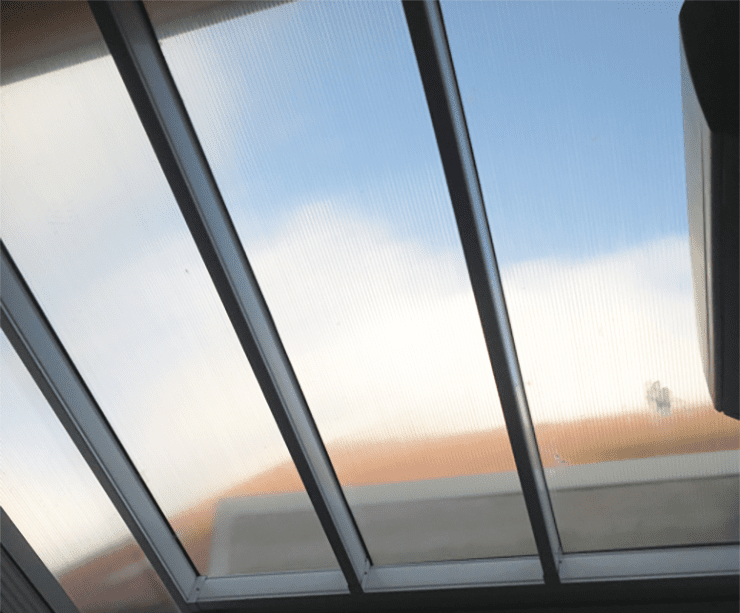
Moving up the scale to the mid price-point are the versatile twin wall and multi wall polycarbonate products. These products are best described as flat, hollow, structured polycarbonate plastic. They feature a cellular structure with at least two “walls” and connective ribbing. The cells create an insulating air space that then reduces thermal heat transfer which offers substantially better energy efficiency than the single layer polycarbonate products like Laserlite.
A super light product, the Palram Sunlite range of twinwall and multiwall comes in a variety of thicknesses starting from 4mm and ranging up to 40mm. The beauty of multiwall is it is not limited to roofing but can be utilised for a range of purposes including partitions and skylights. For roofing purposes, it can even be bent to form a curved roof. Installation on a roof requires an aluminium joining system that clamps the sheets in place.
Solid Polycarbonate
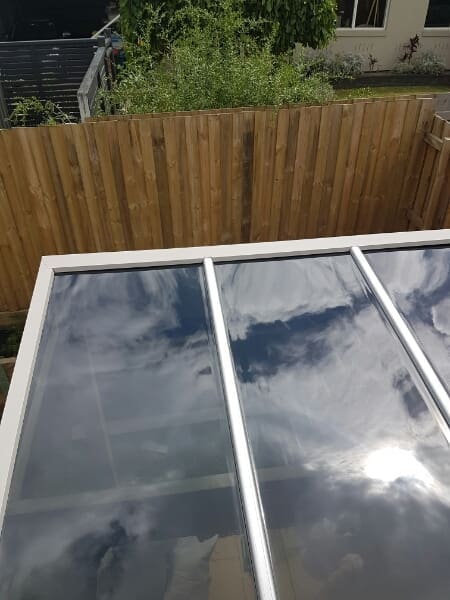
Top of the range solid polycarbonate products are used for architectural applications. They mimic the look of glass but offer the safety and UV benefits that ordinary glass cannot.
Palram’s Sunglaze range comes at two price points with Solar Smart being at the higher end and offering improved solar heat gain with varying degrees of light transmission.
Roof Pitch and Installation
Polycarbonate products aren’t all installed the same way, and roof pitch matters more than most people realise. Corrugated profiles require a minimum pitch of around 5 degrees to allow water runoff, while flat multiwall sheets need careful sealing and a proper aluminium extrusion system to prevent water pooling between sheets. Getting this wrong leads to leaks, condensation, and premature sheet deterioration. Correct flashing at the wall junction and proper integration with guttering are equally important, both of which are easy to overlook on a DIY install but critical for long-term performance.
How Long Does Polycarbonate Last?
With quality products and proper installation, polycarbonate roofing typically lasts 15–25 years. UV-coated products like Laserlite 3000 and the Palram Solar Smart range sit at the longer end of that range. To keep sheets performing well, clean them once or twice a year with warm soapy water and a soft cloth. Avoid abrasive pads or solvent-based cleaners, which strip the UV coating. If sheets start to yellow, crack along fixing points, or let noticeably more heat through than they used to, it’s time for a replacement.
Not Sure Which Option Is Right for You?
Roofrite has been installing polycarbonate roofing across Melbourne for over 30 years, and we’re rated 4.8 stars on Google by the homeowners and builders we work with. Whether you’re covering a new pergola, replacing old fibreglass, or looking for an architectural solution, we’ll help you choose the right product for your space and budget.
Get in touch for a free measure and quote. Contact Roofrite today.

Date
Oct 22, 2019
Read Time
5 minutes
Services
Roofing Products
Related Articles
See All articles